



Fact #1:
An estimated 5 million people have access to appropriate healthcare globally thanks to revenues from diamonds. (read more)
Fact #2:
Conflict diamonds have been reduced from approximately 4% to considerably less than 1% since the implementation of the Kimberley Process in 2003. (read more)
Fact #3:
An estimated 10 million people globally are directly or indirectly supported by the diamond industry. (read more)
Fact #4:
The diamond mining industry generates over 40% of Namibia's annual export earnings. (read more)
Fact #5:
Diamond revenues enable every child in Botswana to receive free education up to the age of 13. (read more)
Fact #6:
In July 2000, the global diamond industry announced its zero-tolerance policy towards conflict diamonds and continues to drive this policy. (read more)
Fact #7:
Sierra Leone is now at peace and exported approximately $125 million diamonds in 2006. (read more)
Fact #8:
Approximately one million people are employed by the diamond industry in India. (read more)
Fact #9:
Approximately $8.5 billion worth of diamonds a year come from African countries. (read more)
Fact #10:
More than 99% of diamonds are now from conflict free sources and traded under the UN-mandated Kimberley Process.
(read more)
Fact #11:
The Diamond Development Initiative was established to improve the working conditions of artisanal miners. (read more)
Fact #12:
The revenue from diamonds is instrumental in the fight against the HIV/AIDS pandemic. (read more)
Fact #13:
Under the Kimberley Process, rough diamonds can only be exported and imported when accompanied by a certificate from the exporting country. (read more)
Fact #14:
The charity Jewelers for Children funds a community based care program for orphaned children in South Africa. (read more)
Fact #15:
An estimated 65% of the world's diamonds come from African countries. (read more)
Fact #16:
Today, 74 governments and the legitimate diamond industry are all committed and legally bound to eradicating conflict diamonds. (read more)
Fact #17:
The diamond industry has introduced a system to help give greater assurances to retailers and to provide consumers with the reassurance that their diamond is from a conflict free source. (read more)
Fact #18:
Diamonds account for 33% of the GDP (approximately $3.3 billion) of Botswana. Since independence in 1966, the year before diamonds were discovered in Botswana, GDP annual growth rate averaged 7%. (read more)
Fact #19:
Major world leaders - including Nelson Mandela - have cited the importance of diamonds to the lives of African people.
(read more)
Fact #20:
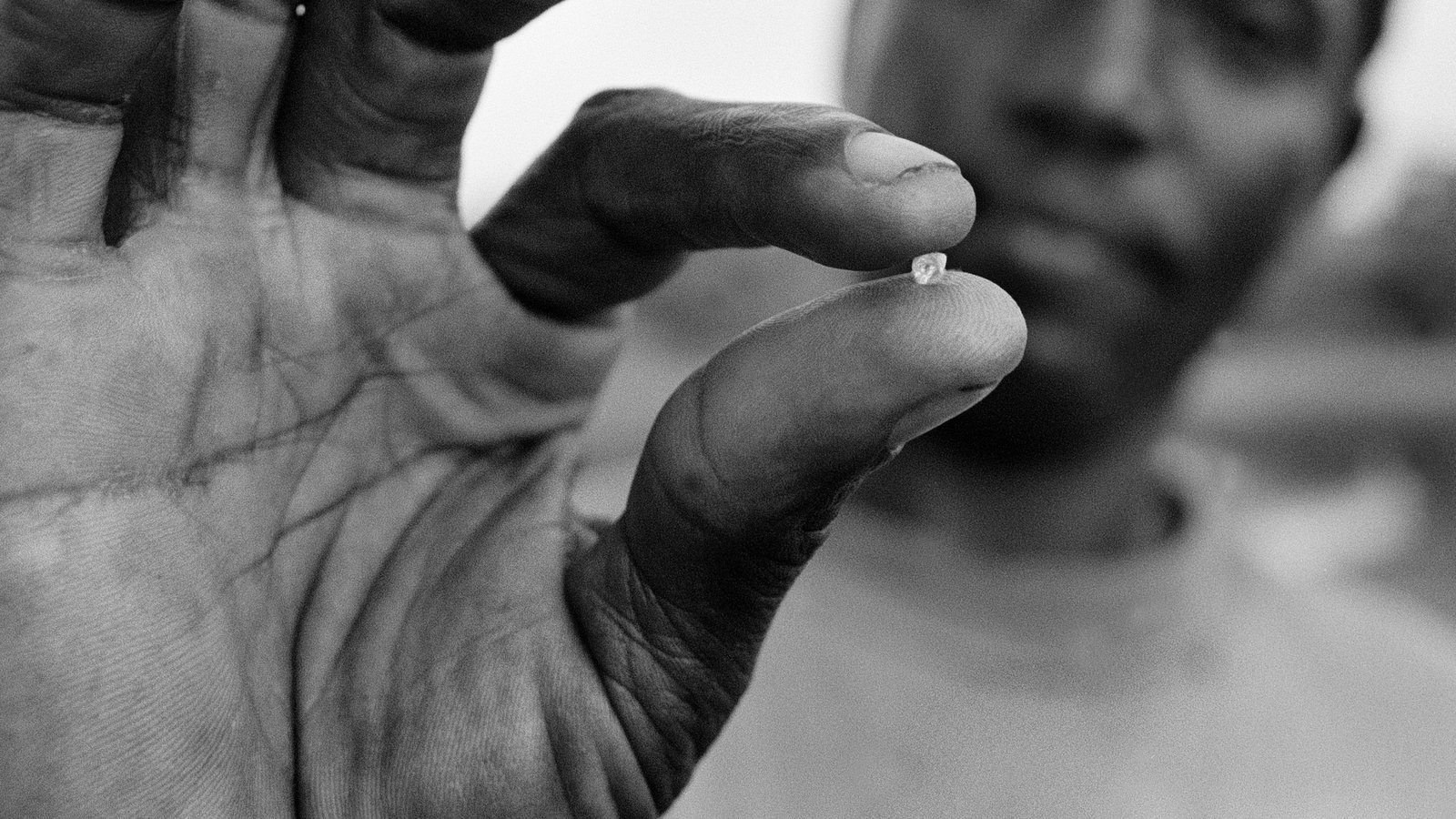
It is estimated that one million people work in the informal (astisanal) alluvial diamond digging sector. (read more)
Fact #21:
Some diamond producing countries are not Kimberley Process compliant. (read more)
Fact #22:
In November 2007, 74 governments, leading NGOs, and the World Diamond Council agreed on measures to further strengthen the Kimberley Process.(read more)
Fact #23:
At the 2007 Kimberley Process Plenary, the industry committed funds and resources to address challenges faced by countries with a high prevalence of artisanal alluvial mining.(read more)
Fact #24:
In August 2007, Turkey was welcomed as a participant in the Kimberley Process. (read more)


Making A Difference Videos: